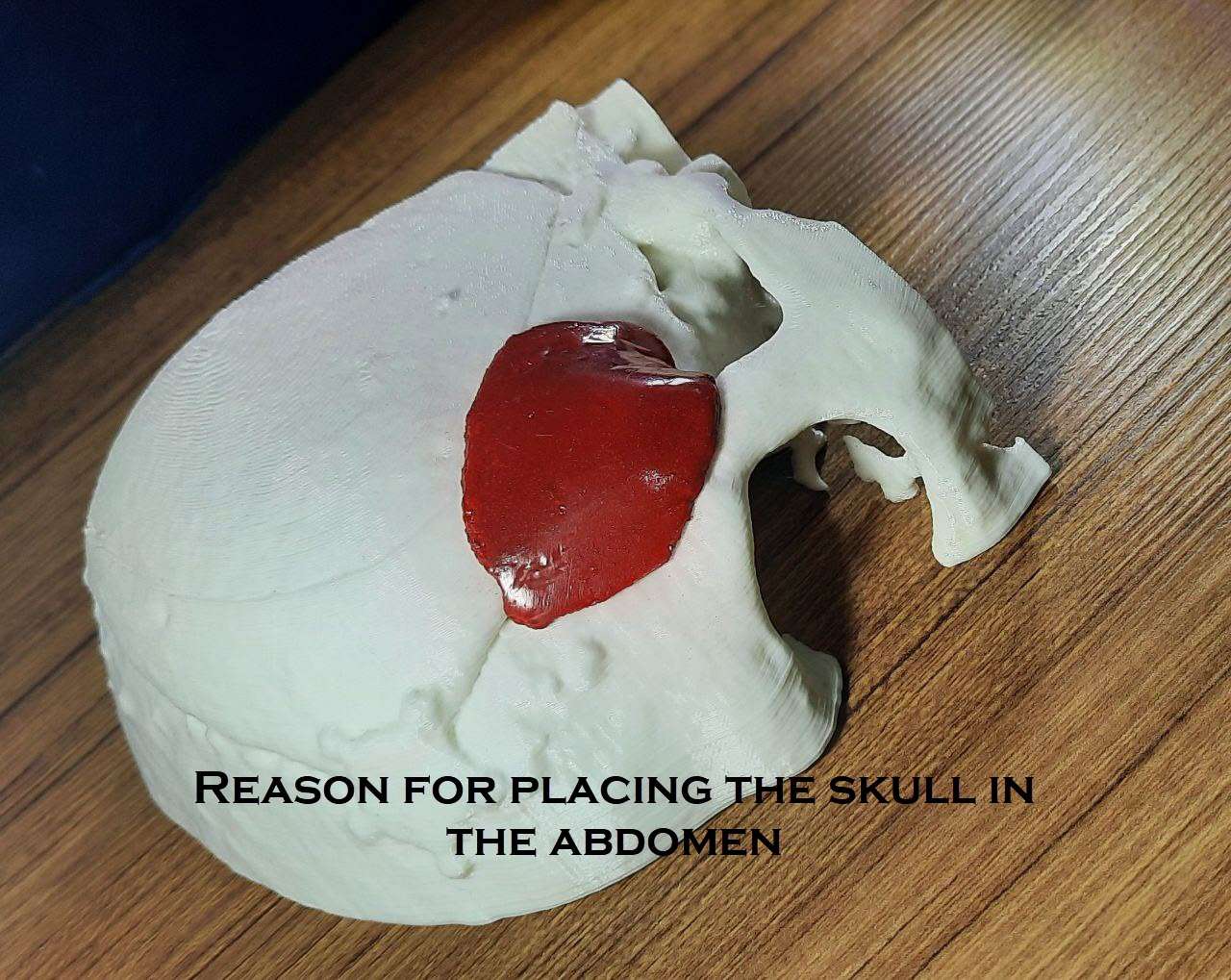
Sometimes, due to a severe blow, accident, fall, fall from a height, or heavy impact, the skull is fractured to such an extent that it is no longer possible to use the crushed bone. It may also be caused by diseases such as stroke or brain tumor. ،The brain swells and puts pressure on other parts, and the surgeon has to remove part of the skull bone to relieve the swelling, which causes the skull bone to become defective and cracked. This defect may be congenital or a complication of a previous surgery.
Cranioplasty not only improves the appearance of the head, but it also has other medical benefits. Strengthening the problem area provides much more complete protection for the brain. In addition, patients who suffer from headaches or neurological disorders may experience a reduction in their symptoms after undergoing skull repair surgery.
When is cranioplasty performed?
In general, in any brain-related problem or disease that requires surgery, cranioplasty may be performed after surgery if the doctor deems it necessary. For example, in a brain hemorrhage, the neurosurgeon may remove bone fragments and replace them with implants or other bone after removing the blood clot from the brain to maintain its normal shape.
What is the difference between craniotomy and craniectomy?
The removal of part of the skull is performed to reduce intracranial pressure (ICP). The removal of part of the skull is called a craniotomy. If the intracranial pressure is high, the part of the skull that has been removed is kept in a suitable biological condition (such as being placed in the abdomen).The removed skull is kept in this condition until the patient is stable, and then the skull bone is replaced in its place. This process is called a craniectomy.